Illegal weight-loss drugs are being sold openly in South Africa, and drugmakers want law enforcement to act.
Some of the sellers aren’t pharmacists or doctors.
They’re social media influencers, gym instructors and even hairdressers.
And at least one of the drugs hasn’t been approved anywhere in the world.
The warning comes as industry leaders, regulators and law enforcement met at a multi-stakeholder roundtable on counterfeit medicines in Pretoria on Wednesday, 14 October.
WHAT DRUGMAKERS ARE WARNING ABOUT
The Pharmaceutical Task Group (PTG) is an umbrella body for South Africa’s pharmaceutical manufacturing associations.
Its members’ companies account for more than 80% of the medicines used in the country.
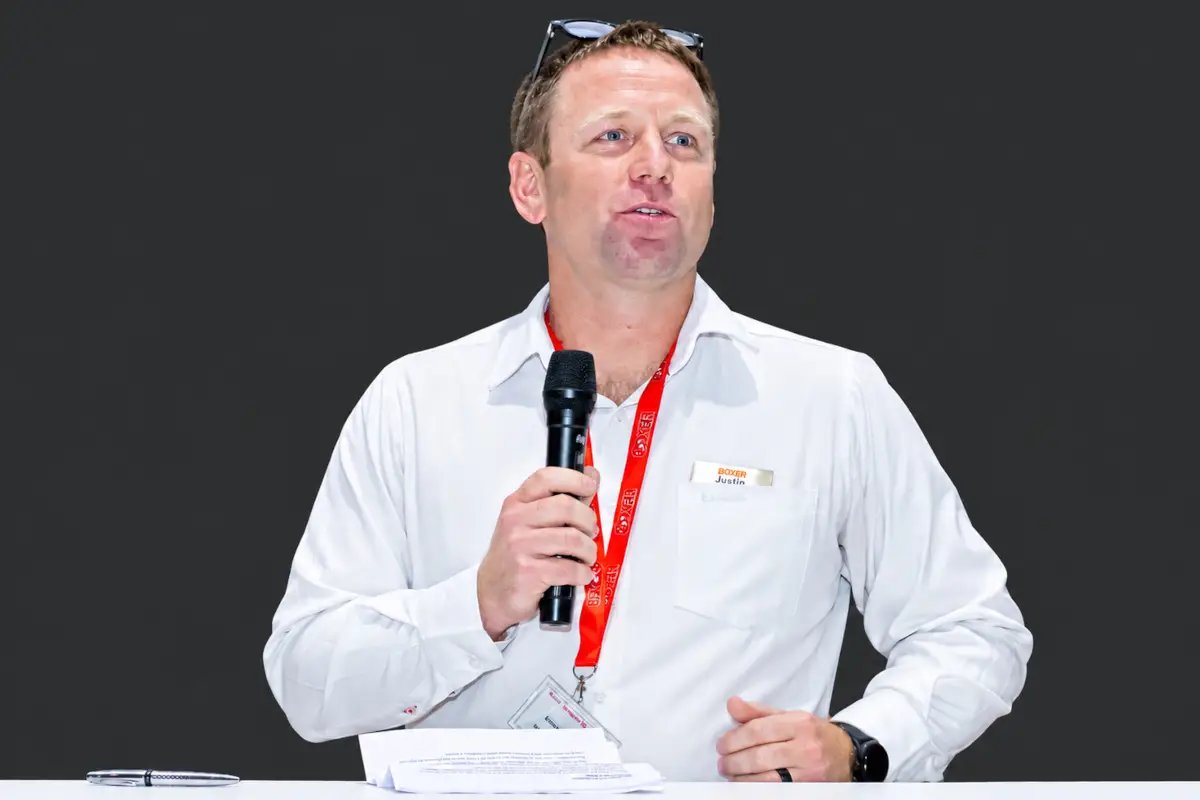
PTG chair Stavros Nicolaou called on law enforcement agencies to act against the sale of unregistered medicines.
“Where there are slam-dunk cases, and evidence has been sent to the South African Police Service and others, we need to see action,” he said.
THE UNAPPROVED DRUG BEING SOLD ONLINE
Nicolaou singled out retatrutide, an experimental obesity drug that is still in clinical trials.
No medicines regulator anywhere has declared it safe and effective.
Yet according to Nicolaou, it’s being sold “openly and brazenly” in South Africa by social media influencers, gym instructors and hairdressers.
Nicolaou is a senior executive at a generic drug manufacturer that distributes a registered weight-loss medicine in South Africa.
WHY ILLEGAL WEIGHT-LOSS DRUGS ARE SO DANGEROUS
Weight-loss medicines such as glucagon-like peptide-1 (GLP-1) drugs have become hugely popular.
But the legal versions are expensive, and that has fuelled a black market for cheaper, unregistered alternatives.
The South African Health Products Regulatory Authority (SAHPRA) has warned the public that it is seeing more unregistered products being sold online, in gyms and through informal channels.
Because these products haven’t been evaluated for safety, quality or efficacy, SAHPRA says they can seriously harm your health.
HOW ILLEGAL MEDICINES ENTER SOUTH AFRICA
Some illegal medicines are slipping through South Africa’s borders in disguise.
Border Management Authority commissioner and chief executive officer Michael Masiapato said some medicines enter the country under misleading declarations, including being declared as cosmetics.
WHAT REGULATORS ARE DOING
SAHPRA says it has already seized illicit products, opened criminal cases, and referred healthcare professionals caught distributing them to their professional councils.
However, SAHPRA said that progressing criminal cases depends on institutions beyond the regulator, such as the police and prosecutors.
Meanwhile, the South African Pharmacy Council (SAPC) is tightening the rules on compounding, where pharmacists prepare customised versions of medicines.
SAPC registrar and chief executive officer Vincent Tlala said the council was concerned some pharmacies were making medicines in anticipation of demand, rather than for specific patients.
The council expects to review revised standards in February 2027, with publication targeted for March 2027.
“There is a scourge of compounded products, especially in the area of weight-loss,” said Daphney Fafudi, SAHPRA’s senior manager for market control.
WHAT THE LAW SAYS
According to the Department of Health, prescription medicines may not be sold online.
Advertising prescription medicines on social media is also prohibited.
HOW TO SPOT A REGISTERED MEDICINE
Registered medicines must show:
If any of these are missing, treat the product as suspicious.
HOW TO PROTECT YOURSELF
HOW TO REPORT ILLEGAL SELLERS
You can report suspicious medicine sales to SAHPRA through its 24-hour hotline on 0800 204 307, or through its online whistleblower page.
HAVE YOU SEEN WEIGHT-LOSS INJECTIONS BEING SOLD ON SOCIAL MEDIA?
Let us know in the comments below…